Free UK mainland delivery on orders when you spend £85.00

For restaurants, cafés, takeaways, pubs, bars and food retailers, packaging is an essential part of day-to-day operations. Whether you're serving coffee to go, delivering pizzas or packaging takeaway meals, the products you choose need to be practical, food-safe and suitable for your customers' needs.
As businesses review their packaging options, terms such as compostable, biodegradable and recyclable are becoming increasingly common. While these labels may seem straightforward, they each mean something different. Understanding the differences can help businesses make informed purchasing decisions and choose products that fit their operational requirements.
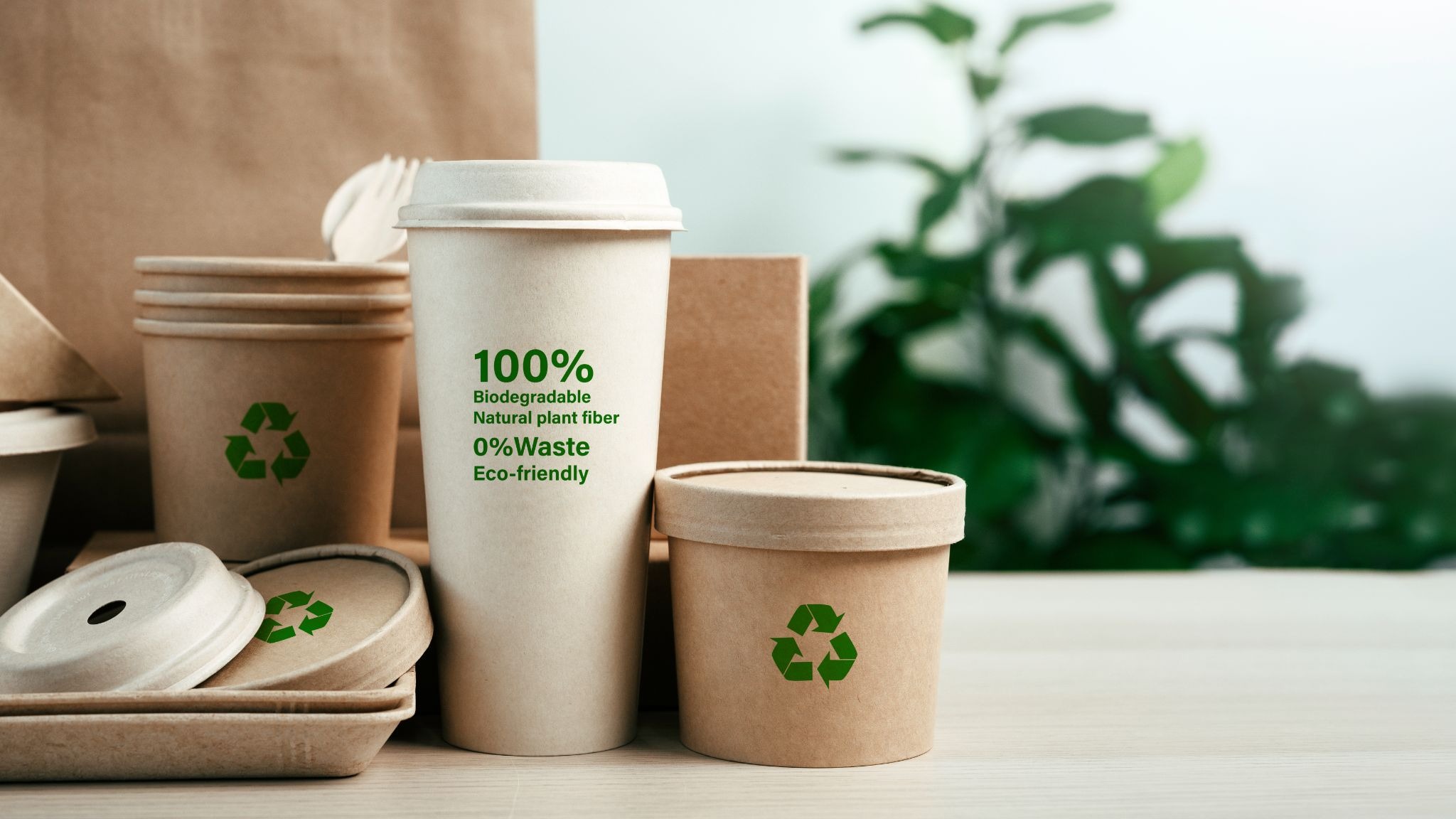
Packaging does much more than simply hold food and drinks. It helps protect products during transport, maintains food quality and provides convenience for customers.
At the same time, businesses are facing growing expectations from customers who want to understand how packaging should be disposed of after use. Choosing suitable packaging can help reduce confusion and ensure customers have clear information about disposal options.
For businesses such as pizza takeaways, sandwich shops, cafés and restaurants, understanding the terminology behind packaging claims is becoming increasingly important.
Recyclable packaging is designed to be collected, processed and used to manufacture new products or materials.
Examples commonly used within the food service sector include:
However, whether a product is actually recycled depends on several factors, including local collection services and the condition of the packaging after use.
For example, a clean cardboard pizza box may be accepted for recycling in some areas, while heavily food-soiled packaging may not be suitable for standard recycling processes. Businesses should always encourage customers to check local recycling guidance where possible.
Biodegradable packaging is made from materials that can break down naturally through the action of microorganisms such as bacteria and fungi.
While the term sounds straightforward, it is important to understand that biodegradable does not mean a product will break down quickly or under all conditions. The process can take varying amounts of time depending on the material and the environment in which it is disposed of.
For this reason, businesses should look beyond the word biodegradable and review any supporting information provided by manufacturers to understand how the product is intended to be disposed of.
Compostable packaging is designed to break down into natural substances under specific composting conditions.
Products certified to standards such as EN 13432 have been independently tested to demonstrate that they meet recognised requirements for industrial composting.
Compostable packaging is commonly used for products such as:
It is important to note that many compostable products require industrial composting facilities rather than home compost bins. Access to these facilities varies across the UK, so businesses should consider local waste management arrangements before choosing compostable packaging.

The right packaging choice depends on your business, your products and how your customers are likely to dispose of the packaging after use.
A busy coffee shop may prioritise cups and food containers that align with local waste collection systems. A pizza takeaway may focus on durable packaging that protects food during delivery while considering how customers can dispose of it responsibly. Restaurants and pubs offering takeaway services may require a combination of containers, cups, bags and cutlery to suit different menu items.
Rather than looking for a single solution, it is often more practical to assess each packaging requirement individually.
Before selecting packaging products, businesses should ask:
Considering these factors can help businesses choose packaging that is practical, compliant and suitable for their customers.
Not necessarily. The most suitable option depends on how the packaging will be disposed of. Compostable packaging often requires access to industrial composting facilities, while recyclable packaging relies on local recycling collections. Businesses should consider which disposal routes are available to their customers.
In most cases, compostable packaging should not be placed in standard recycling bins. Compostable materials are designed to break down under composting conditions and may contaminate recycling streams if disposed of incorrectly. Always follow the manufacturer's disposal guidance.
No. The rate at which biodegradable packaging breaks down depends on environmental conditions such as temperature, moisture and oxygen levels. Some materials may take considerably longer to decompose than others.
This depends on their condition and local recycling arrangements. Clean cardboard is widely recyclable, but heavily food-soiled pizza boxes may not be accepted by some recycling schemes. Businesses should check local guidance and encourage customers to do the same.
EN 13432 is a European standard used to assess whether packaging materials meet recognised requirements for industrial composting. Products certified to this standard have been independently tested against specific compostability criteria.
When selecting packaging, consider the type of food or drink being served, delivery requirements, customer convenience, disposal options and any relevant food safety requirements. The best solution will vary depending on your business and how the packaging is used.
Many customers are familiar with the terms, but there is often confusion about what they mean and how products should be disposed of. Clear labelling and disposal guidance can help reduce uncertainty and support correct waste management.
Common products include pizza boxes, food containers, paper bags, cups, lids, napkins and food trays. The most suitable materials will depend on the food being served, transportation requirements and available disposal routes.
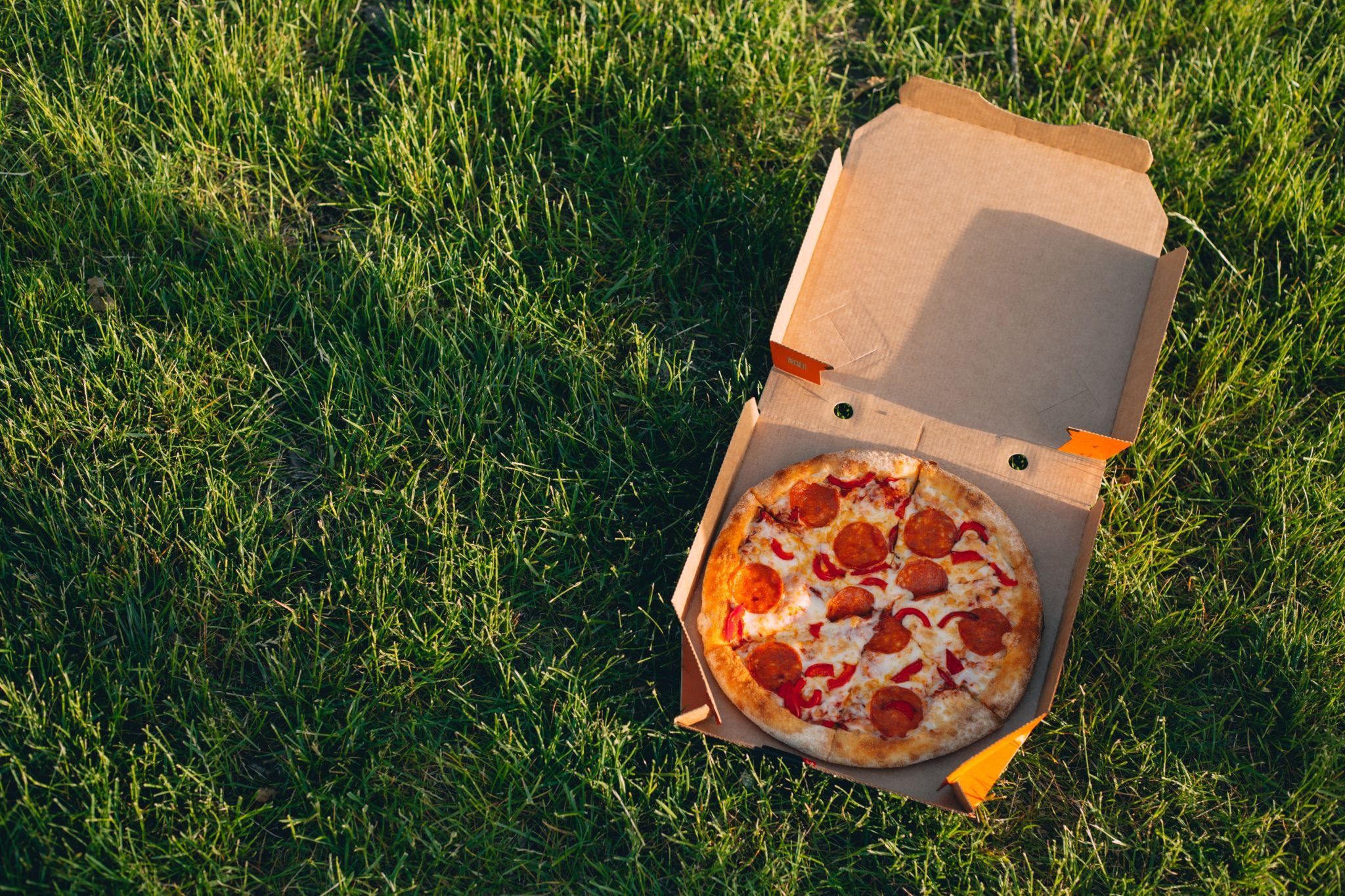
There is no one-size-fits-all answer when it comes to food packaging. Recyclable, biodegradable and compostable products all have different characteristics and disposal requirements.
For restaurants, cafés, takeaways, pubs and food retailers, the most effective approach is to choose packaging based on how it will be used, how it will be disposed of and what best suits the needs of the business and its customers.
By understanding the differences between these packaging types, businesses can make informed decisions and select products that support their day-to-day operations while providing customers with clear disposal guidance.